
Here is the cover. We are just waiting for two more submissions (we will spare the blushes of the tardy authors), and with luck and a fair wind the 2012 Year Book (our 14th) will be out in a couple of weeks.


Half a century ago, Belgian Zoologist Bernard Heuvelmans first codified cryptozoology in his book On the Track of Unknown Animals.
The Centre for Fortean Zoology (CFZ) are still on the track, and have been since 1992. But as if chasing unknown animals wasn't enough, we are involved in education, conservation, and good old-fashioned natural history! We already have three journals, the largest cryptozoological publishing house in the world, CFZtv, and the largest cryptozoological conference in the English-speaking world, but in January 2009 someone suggested that we started a daily online magazine! The CFZ bloggo is a collaborative effort by a coalition of members, friends, and supporters of the CFZ, and covers all the subjects with which we deal, with a smattering of music, high strangeness and surreal humour to make up the mix.
 Unlike some of our competitors we are not going to try and blackmail you into donating by saying that we won't continue if you don't. That would just be vulgar, but our lives, and those of the animals which we look after, would be a damn sight easier if we receive more donations to our fighting fund. Donate via Paypal today...

 I've said it many times before, but it still bears repeating – reports of mysterious animals can turn up in the most unexpected places. For example: you're hardly likely to discover a report of an extraordinary, unidentified reptile in the autobiography of a major convicted drug smuggler, right? Wrong!
 This cutting, which deals with the Gloucester big cat suspected of having killed a deer recently, was sent in by CFZ author Paul Williams, author of The Mystery Animals of the British isles: Gloucester and Worcester, which was one of Loren Coleman's books of the year in 2011.
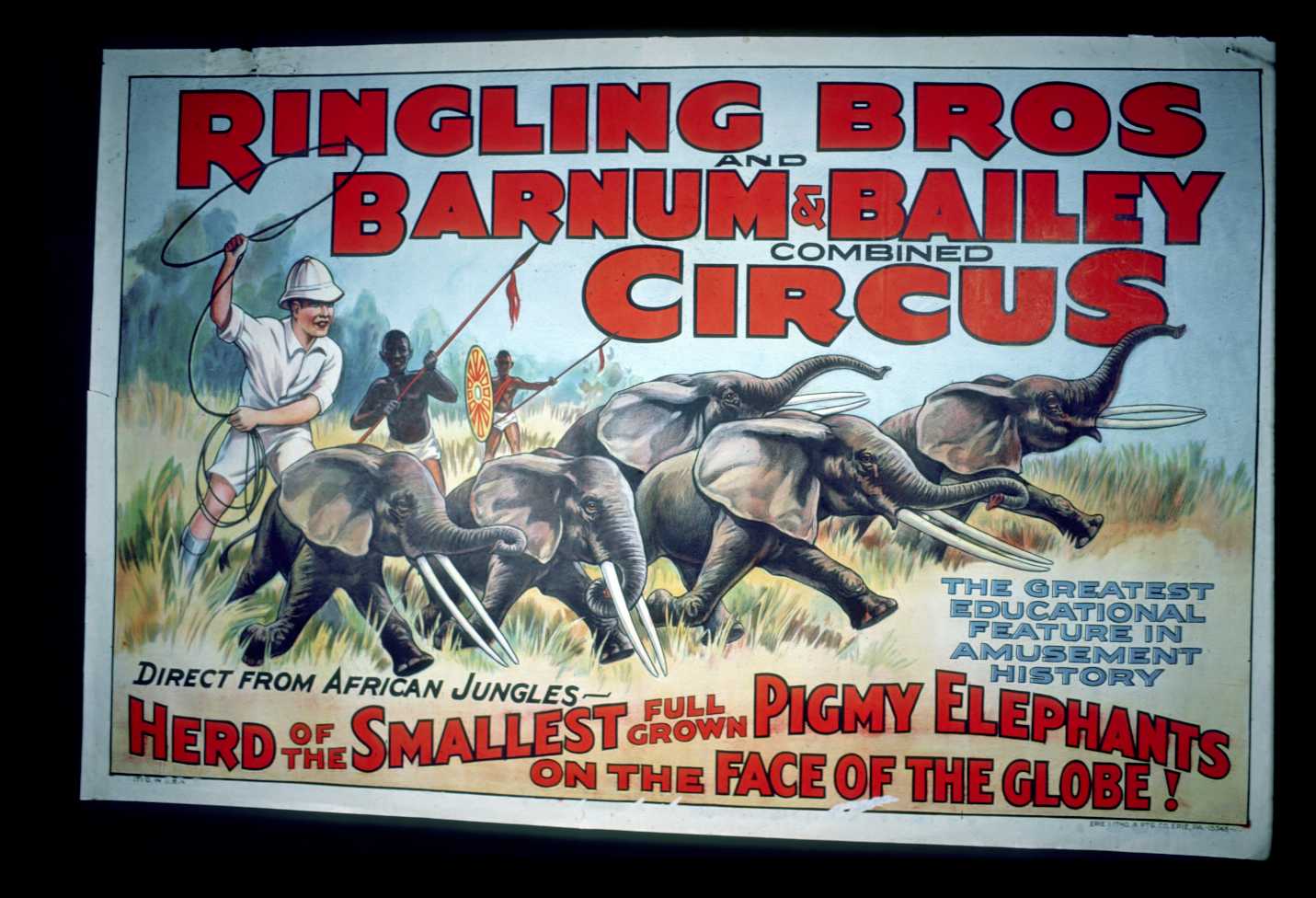

The museum also holds 2 ears, a tale and the sole of one foot, but it is not certain from which of these two animals.
The animals were shot close to the village of Yassonkon, close to the banks of the Nyong River south of Edea. The two animals were from a herd of 12. The 2980 specimen was the biggest of the herd, and Edmond-Blanc apparantly shot it thinking it was a male. The other animal was of medium size in the herd.
There is also a transcript of a letter from Edmond-Blanc where he writes something about the difficulty of hunting in the area, as the visibility is very poor. It is apparantly difficult to separate males and females, as both have fairly small tusks.
I have a pdf of the original log entry which I can send you if you want. It is in Danish, so you won't be able to read a word of it, but at least you can see what it looks like.
As for the photos, it might take a couple of weeks. The various beetle-infested specimens has to be frozen for several days, and there is not enough room for all of them at once. Until that has been taken vare of, none of it is availabe for photographing. But I'll let you know as soon as they become available for me to take some pictures.
best
Lars
If you want to put this on the CFZ website as well - feel free.
Palace Puma spotted for first time this year


 Posts
Posts


